Get Wiring Replacement
Wiring replacement services help property owners upgrade outdated or damaged electrical systems, ensuring safety and reliability for projects like renovations, rewiring, or panel upgrades.
Wiring replacement is an essential project for property owners seeking to ensure electrical safety and reliability. As buildings age or experience increased electrical demands, outdated wiring systems can become a concern. Exploring options for wiring upgrades can help maintain the safety standards of a property, support modern electrical needs, and prevent potential issues down the line. Property owners in the area often consider wiring replacement when planning renovations or addressing electrical concerns, making it a practical step toward maintaining a secure and functional space.
For those interested in undertaking wiring replacement, it’s important to compare local contractors who specialize in electrical upgrades. Finding experienced service providers can help ensure the work meets the specific requirements of the property and adheres to safety standards. By exploring local options, property owners can gather information about the services available and select the right professionals to handle their wiring projects efficiently and effectively. Keep reading to learn more about how local contractors can assist with wiring replacement needs.
- Residential wiring replacement - needed when older wiring poses safety risks or no longer meets electrical demands.
- Commercial wiring upgrades - required during business renovations or when existing wiring is outdated or damaged.
- Electrical system overhaul - necessary for homes or buildings experiencing frequent outages or electrical faults.
- Faulty wiring repair - essential when signs of wiring issues, such as sparks or burning smells, are present.
- Rewiring for remodeling projects - needed to update wiring to accommodate new layouts or added electrical devices.
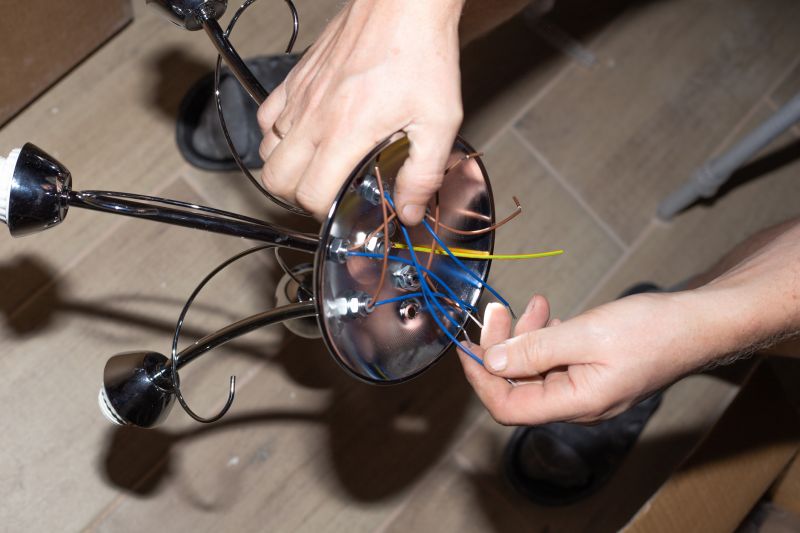
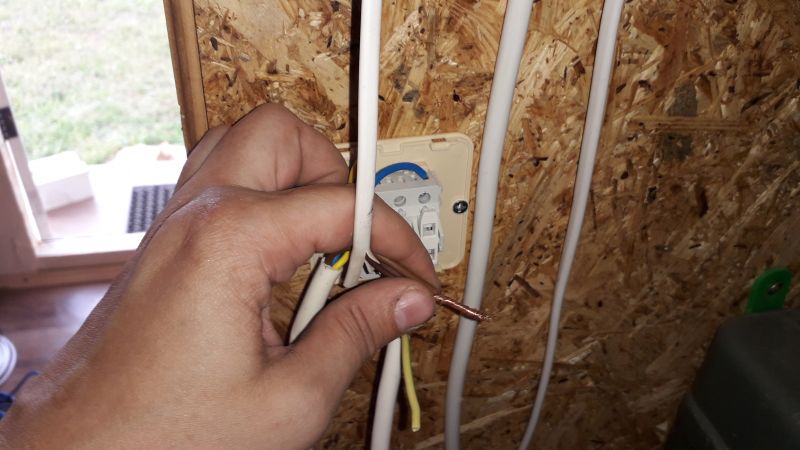
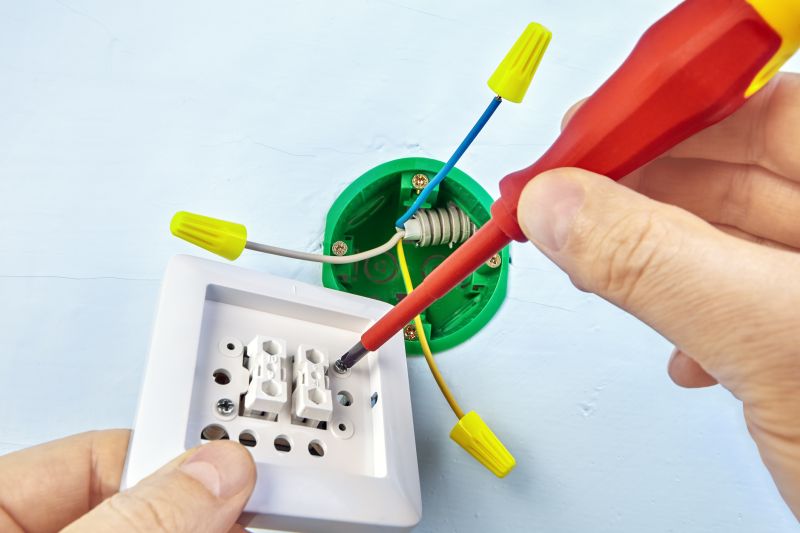
Wiring replacement services involve removing outdated or damaged electrical wiring and installing new, modern wiring systems throughout a property. This process ensures that the electrical system meets current safety standards and can handle the demands of modern appliances and technology. Professionals typically assess the existing wiring to identify issues such as frayed insulation, corrosion, or outdated materials that may pose safety risks or cause electrical failures. Replacing wiring not only improves safety but also enhances the overall reliability and efficiency of the electrical system in a home or commercial building.
Many electrical problems can be addressed through wiring replacement, especially when signs of aging or damage become apparent. Common issues include frequent circuit breaker trips, flickering lights, outlets that don't work, or burning smells near electrical fixtures. These symptoms often indicate that the wiring is deteriorating or incompatible with current electrical loads. Upgrading wiring can prevent potential fire hazards, reduce the risk of electrical shocks, and improve the overall performance of the electrical system. Service providers can evaluate the property to determine if wiring replacement is the appropriate solution to resolve persistent electrical problems.
Wiring replacement services are frequently sought for a variety of property types, including older homes, commercial buildings, and newly renovated spaces. Homes built several decades ago often contain wiring materials that are no longer considered safe or capable of supporting modern electrical needs. Commercial properties with outdated wiring may face code violations or safety concerns that require prompt attention. Additionally, properties undergoing extensive renovations may need wiring upgrades to accommodate new layouts or increased electrical demands. Local contractors experienced in wiring replacement can tailor their services to meet the specific requirements of each property type, ensuring a safe and functional electrical system.
Homeowners and property managers considering wiring replacement should recognize it as a practical solution when experiencing electrical issues or planning significant updates. If electrical outlets are frequently malfunctioning, circuit breakers trip often, or there are signs of electrical overheating, it may be time to consult with local service providers about wiring replacement. This service can also be beneficial when upgrading a property for increased electrical capacity or preparing a building for new appliances and fixtures. Contacting experienced contractors ensures that the wiring is replaced safely and correctly, helping to maintain a secure and reliable electrical system for years to come.
The overview below groups typical Wiring Replacement projects into broad ranges so you can see how smaller, mid-sized, and larger jobs often compare in your area.
In many markets, a large share of routine jobs stays in the lower and middle ranges, while only a smaller percentage of projects moves into the highest bands when the work is more complex or site conditions are harder than average.
Smaller Repairs - Typical costs for minor wiring repairs or replacements often range from $250 to $600. Many routine jobs fall within this middle range, depending on the specific work needed and local rates.
Partial Wiring Replacement - Replacing sections of wiring in a home or business usually costs between $1,000 and $3,000. Larger projects that involve more extensive work tend to reach the higher end of this range, though fewer projects push beyond it.
Full Wiring Replacement - Complete rewiring of a property can cost from $4,000 to $8,000 or more. The final price depends on the size of the building and complexity, with most projects falling within this higher tier.
Complex or Commercial Projects - Larger, more complex wiring replacements for commercial spaces or extensive renovations can exceed $10,000. These projects are less common and typically involve advanced systems or high-capacity wiring needs.
Actual totals will depend on details like access to the work area, the scope of the project, and the materials selected, so use these as general starting points rather than exact figures.
Electrical Panel Upgrades - professionals who replace wiring often handle panel upgrades to ensure electrical systems meet current standards and safety requirements.
Lighting Fixture Installation - installing and wiring new lighting fixtures requires similar skills in planning, wiring, and ensuring proper connections.
Ceiling Fan Replacement - replacing ceiling fans involves wiring connections and electrical planning comparable to wiring replacement projects.
Outlet and Switch Replacement - upgrading or installing new outlets and switches involves wiring skills similar to those used in complete wiring replacements.
Home Rewiring Projects - comprehensive rewiring of a home involves detailed planning and skillful wiring to modernize electrical systems.
Electrical Troubleshooting - diagnosing and fixing electrical issues requires a similar understanding of wiring systems and safety protocols.
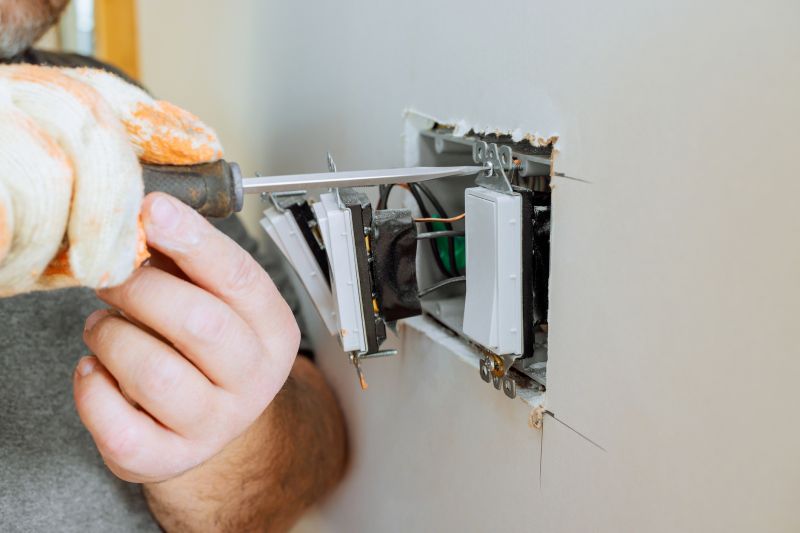
When evaluating local contractors for wiring replacement, it’s important to consider their experience with similar projects. A service provider with a proven track record handling wiring upgrades or replacements comparable to the scope of your home’s needs can offer valuable insight into their expertise. Asking about their past work on projects similar in size and complexity can help gauge their familiarity with the specific requirements of wiring replacement, ensuring they understand the unique challenges that may arise.
Clear written expectations are essential for a smooth project. Reputable service providers typically provide detailed descriptions of the work to be performed, outlining the scope, materials, and any relevant procedures. Having this information in writing helps prevent misunderstandings and ensures everyone is on the same page. When comparing options, look for professionals who are transparent about what the job entails and who are willing to discuss any questions or concerns you may have before work begins.
Good communication and reputable references are key indicators of a dependable contractor. Service providers who are responsive and open to questions demonstrate professionalism and a commitment to customer service. Additionally, seeking references or reviews from previous clients can offer insights into their reliability, quality of work, and how well they manage projects from start to finish. Remember, this site’s role is to introduce homeowners to local options, not to perform the work itself - so taking the time to compare these qualities among different service providers can help find a trusted partner for wiring replacement.
Property owners use Wiring Replacement services for practical projects around their homes and businesses. This guide focuses on everyday jobs and straightforward project options.
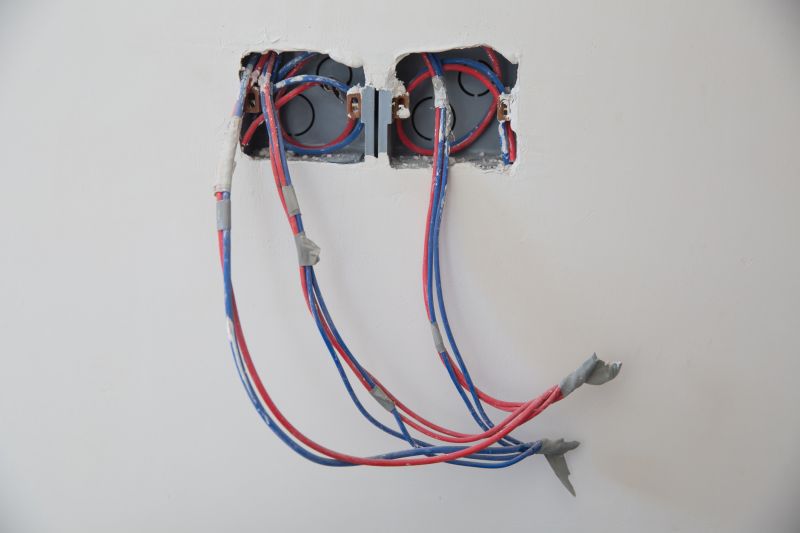
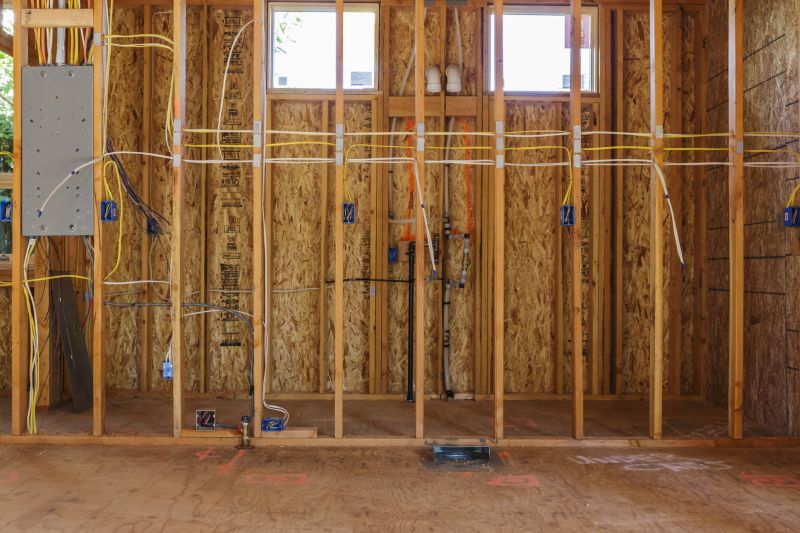
Wiring replacement services are often sought after by property owners dealing with outdated or damaged electrical systems. Common situations include experiencing frequent circuit breaker trips, flickering lights, or outlets that no longer work properly. Whether preparing a home for renovations, upgrading to meet current electrical demands, or addressing safety concerns, many property owners look for reliable local contractors who can handle wiring upgrades efficiently and safely.
Additionally, property owners may need wiring replacement when installing new appliances, adding additional outlets, or renovating older buildings. Over time, wiring can deteriorate or become unsafe, prompting the need for professional assessments and upgrades. Local service providers are equipped to evaluate existing wiring and recommend appropriate solutions to ensure electrical systems are functioning correctly and safely for everyday use.
When should wiring replacement be considered? Wiring replacement may be recommended if the existing wiring shows signs of damage, frequent electrical issues, or is outdated and no longer meets safety standards.
What are common signs that indicate a need for wiring replacement? Signs include frequent circuit breaker trips, outlets or switches that are warm to the touch, flickering lights, or persistent electrical problems in a property.
How do local contractors determine if wiring needs replacement? Contractors typically inspect the wiring for visible damage, assess its age and condition, and evaluate if it complies with current electrical safety codes.
Can wiring replacement be combined with other electrical upgrades? Yes, wiring replacement often pairs with upgrades like installing new outlets, switches, or circuit breakers to improve overall electrical system safety and performance.
What types of wiring materials are used during replacement? Common materials include copper wiring, which is standard for most residential projects, and sometimes aluminum wiring, depending on the specific needs and existing infrastructure.
Upgrade electrical wiring in an older home to improve safety and ensure compatibility with modern appliances.
Rewire a kitchen or bathroom to support new fixtures and prevent electrical issues during renovations.
Replace outdated wiring in a basement or attic to reduce fire risks and meet current electrical standards.
Install new wiring for home additions to seamlessly integrate new spaces with existing electrical systems.
If you are thinking about Wiring Replacement for a property, this guide is meant to help you understand the work, the typical project types, and how different options might fit your plans.
When you are ready, you can use the quote form on this page to share a few details about your project. From there, local pros can review the basics and respond with options that match what you have in mind.